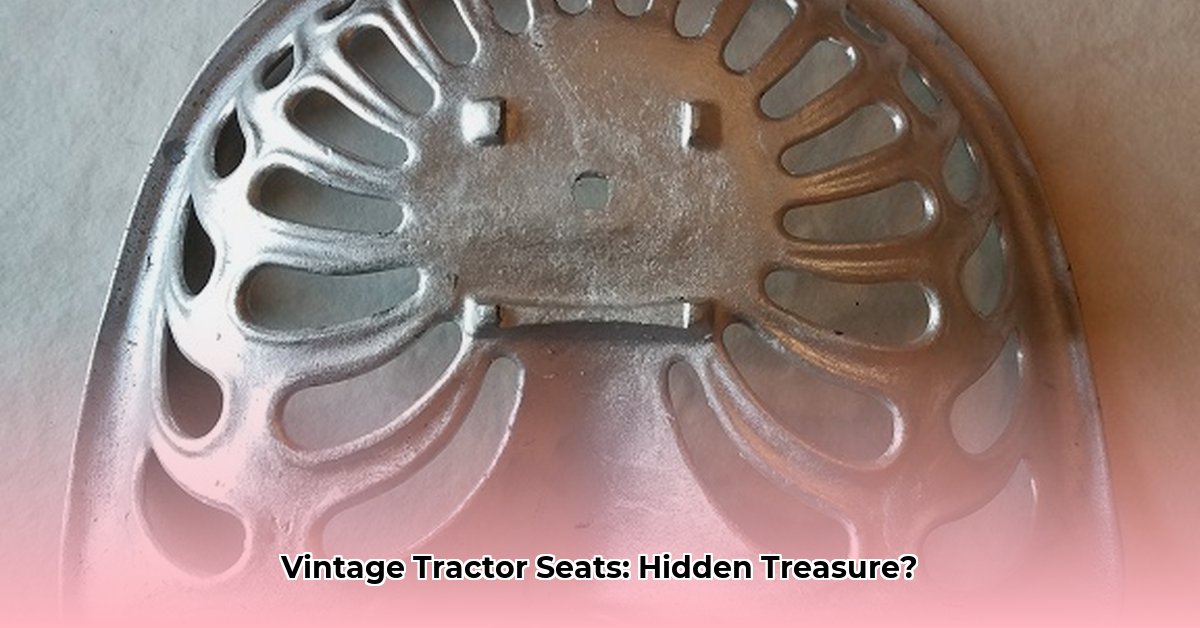
Ever felt the pull of history? The smooth, worn leather of a vintage baseball glove, the sturdy wood of a grandfather's chair – these objects whisper stories. Vintage tractor seats evoke that same sense of nostalgia, connecting us to a bygone era of agricultural ingenuity. But these aren't just nostalgic relics; they're surprisingly valuable collectibles, and even smart investments. This guide navigates the world of vintage tractor seats, from identifying hidden treasures to restoring them and assessing their investment potential. Whether you're a seasoned collector or a curious enthusiast, this comprehensive guide will equip you need to succeed in this rewarding niche. For more on toy tractors, check out this helpful resource: [vintage toy tractors](https://vintage-toy-tractor.pages.dev).
Market Overview: A Growing Field
The market for vintage tractor seats is experiencing robust growth, fueled by a rising appreciation for agricultural history and a surge in restoration projects. Demand consistently outpaces supply, particularly for rare models and those in exceptional condition. Geographic location significantly impacts pricing; a highly sought-after seat in the Midwest might command a lower price on the East Coast due to variations in regional demand and collector events. This dynamic market offers opportunities for both passionate collectors and shrewd investors. Data suggests a strong upward trend in prices for rare and well-maintained seats from iconic manufacturers like John Deere and International Harvester. Are you ready to capitalize on this growing market?
Identifying Valuable Seats: Spotting a Gem
Assessing a vintage tractor seat's value requires a keen eye for detail. The manufacturer's name (John Deere, Ford, International Harvester, etc.) is crucial. The material – is it original leather or vinyl? What's its condition? Are there significant tears, cracks, or fading? The condition of the original stitching is another vital indicator of authenticity and value. Authenticity is paramount. While beautifully crafted reproductions exist, they will never fetch the price of a genuine original. Look for maker's marks, manufacturer tags with production dates, and any other indications of provenance. High-resolution images are essential for detailed assessment.
Restoration and Preservation: A Labor of Love
Restoring a vintage tractor seat is a rewarding yet challenging undertaking. It requires patience, skill, and careful attention to detail. Here's a practical, step-by-step approach:
- Thorough Inspection: Document all damage (tears, cracks, missing parts) with photos and notes.
- Gentle Cleaning: Use appropriate cleaning solutions and tools (soft brushes, cloths) tailored to the material (leather, vinyl). Avoid harsh chemicals.
- Strategic Repairs: Match materials and use skillful stitching for repairs. Professional restoration might be necessary for delicate leather work.
- Protective Measures: After repairs, apply a high-quality leather conditioner or protectant spray.
- Climate-Controlled Storage: Store seats in a climate-controlled environment, away from sunlight, moisture, and temperature fluctuations.
Sourcing replacement parts can be challenging. While reproductions exist, using them may reduce value for serious collectors. Consider the trade-off between authenticity and complete restoration.
Buying and Selling: Smart Strategies
Finding vintage tractor seats requires dedication. Online marketplaces (eBay, specialized forums), vintage tractor shows, and auctions are all excellent hunting grounds. Before buying, research comparable seats to establish fair pricing. Negotiation is key. Be wary of scams—verify seller authenticity, ask detailed questions, and carefully examine high-resolution images. Don't hesitate to request additional photos.
Investment Potential: A Seat at the Table
The long-term investment potential of vintage tractor seats is promising. Limited supply and steadily increasing demand suggest that carefully selected and well-maintained seats are likely to appreciate in value. While a guaranteed return isn't assured, early, well-preserved seats from iconic brands in excellent condition hold significant potential. "Investing in these seats is akin to investing in a piece of living history," says Dr. Amelia Hernandez, Curator of Agricultural History at the National Museum of Farming. "Their value is tied not just to their physical condition but also to their cultural and historical significance." Remember, originality usually trumps perfect condition. Avoid heavily modified seats.
Actionable Advice: Key Takeaways
- Prioritize quality: One exceptional seat holds more value than many damaged ones.
- Research thoroughly: Know the brand history, model variations, and current market prices.
- Buy wisely: Focus on rare, well-maintained seats from reputable manufacturers.
- Become an expert: Specialization in specific brands and models enhances your knowledge and potential for success.
- Network: Connect with other collectors to learn and build lasting relationships, gaining valuable insights into the market.
This journey into vintage tractor seats is a blend of history, restoration, and investment. With passion, patience, and a keen eye, you can unlock the rewards of this fascinating niche, owning a piece of history while potentially building a valuable collection.